
GALANTHUS SAM ARNOTT, A VERY GOOD SNOWDROP
With a name like S. Arnott, this snowdrop, now well over 100 years after its first appearance would have to be a very good cultivar to still be popular and in demand .....and it is.
So, what’s the story? Sam Arnott himself was born in 1852, in Dumfries Scotland and was a keen and active gardener, one of the first of the ‘Galanthophiles’, writing several papers and a few books one on bulbs in the series Handbooks of Practical Gardening.
O.K. but where did the snowdrop named after him originate? Apparently, he found this supersized Snowdrop in his garden and once trialled, was so impressed he called it Arnott’s Seedling, introducing it to gardeners. Over time it was named after him as S. Arnott, Sam Arnott, or Samuel Arnott. And it became more appreciated year by year as more people got to grow it. Here are some reviews:
Sam Arnott.’ Sometimes known as Arnott’s Seedling. A very strong and vigorous variety with perfectly formed flowers and regarded by some as the finest variety available’ in Collin’s Guide to Bulbs by Patrick M. Synge (1961)
‘Sam Arnott is a very good cultivar, of robust habit and increasing well. The flowers are perfect and very well proportioned’ Brian Matthew in a Batsford Book called Dwarf Bulbs (1973)
And the last questions start with what If? What if I had been given another common or uncommon cultivar that hadn’t thrived? Or even worse - What if Jack Had not given me some bulbs?
How to grow Snowdrops
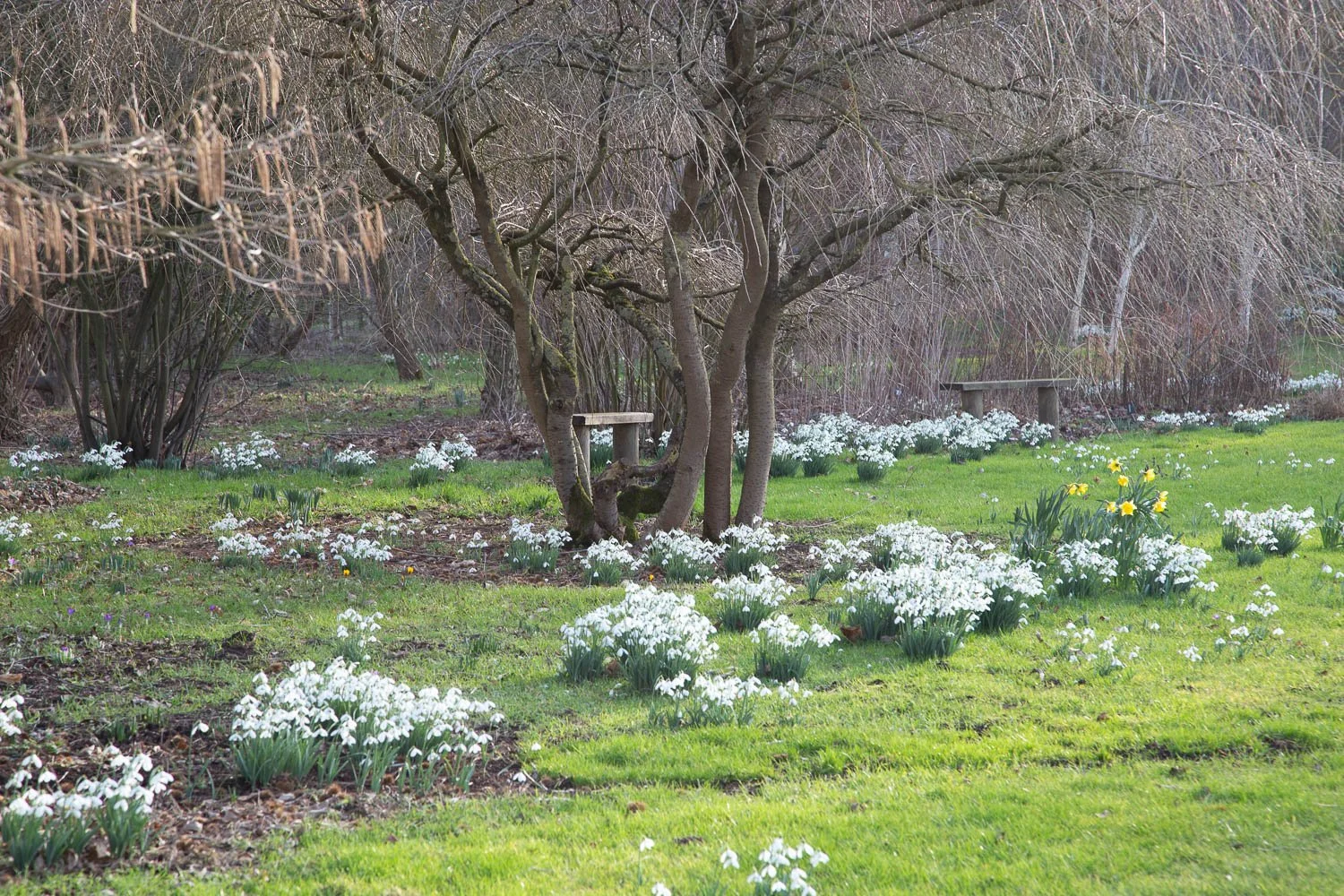
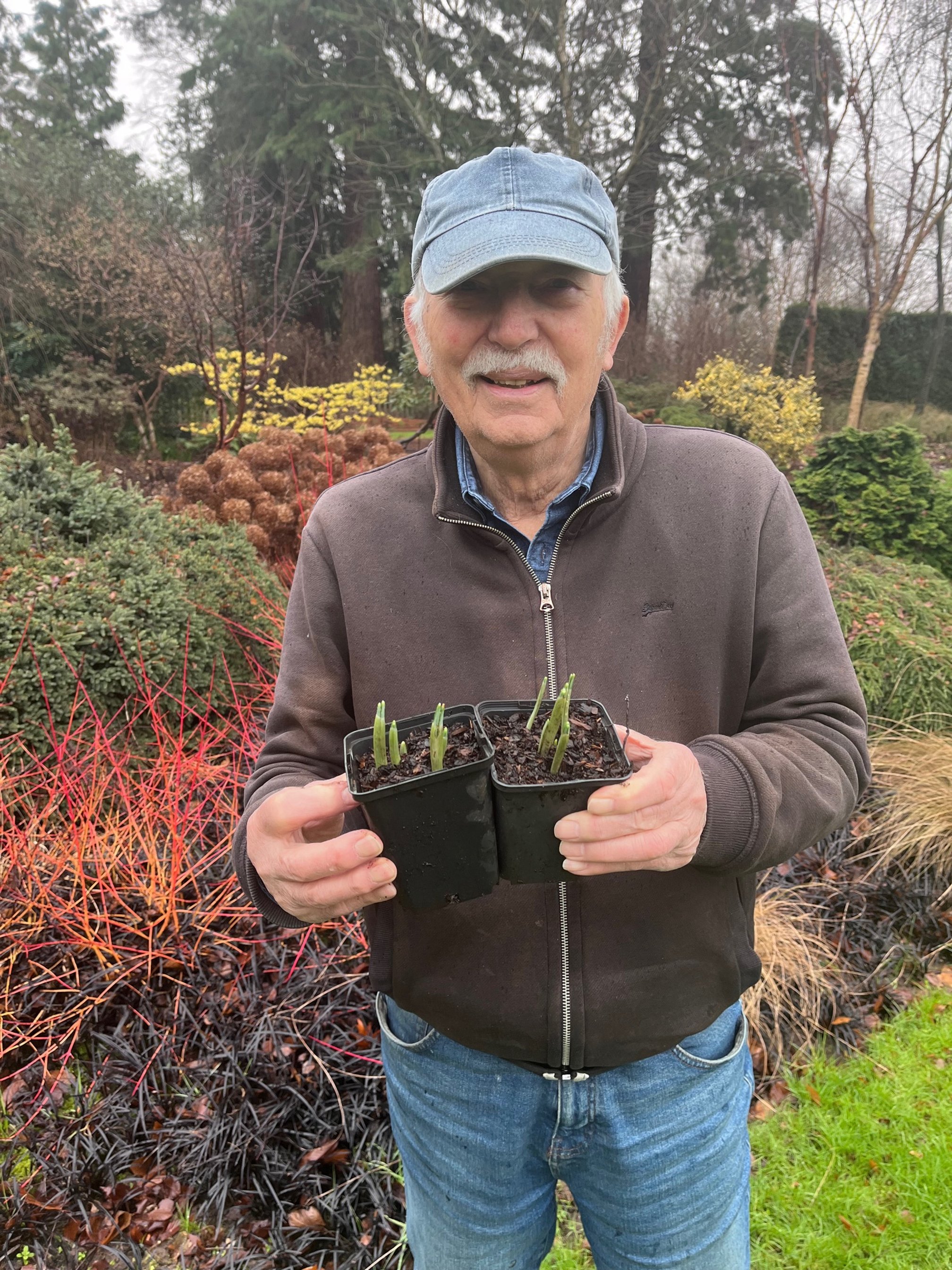
Easy really but for most a depth of 10cm (4 inches) is ideal. They grow in sun or shade, preferring the latter but do well in moist and even heavy soils.
Here is Sam again, he writes in ‘The Book of Bulbs’ “One of the most delightful phases of bulb-growing is that of the cultivation of hardy species in grass” The Snowdrop does particularly well in grass.
In fact, at Foggy Bottom we have planted several in grass, scattering them in a natural, informal manner, leaving the main pathways clear. Once flowering has finished it is important to let the snowdrop leaves die back over several weeks before cutting the grass, which is another reason for planning in drifts which can be left until early summer before grass cutting on a regular basis.
Adrian Bloom
Foggy Bottom Garden
Adrian Bloom
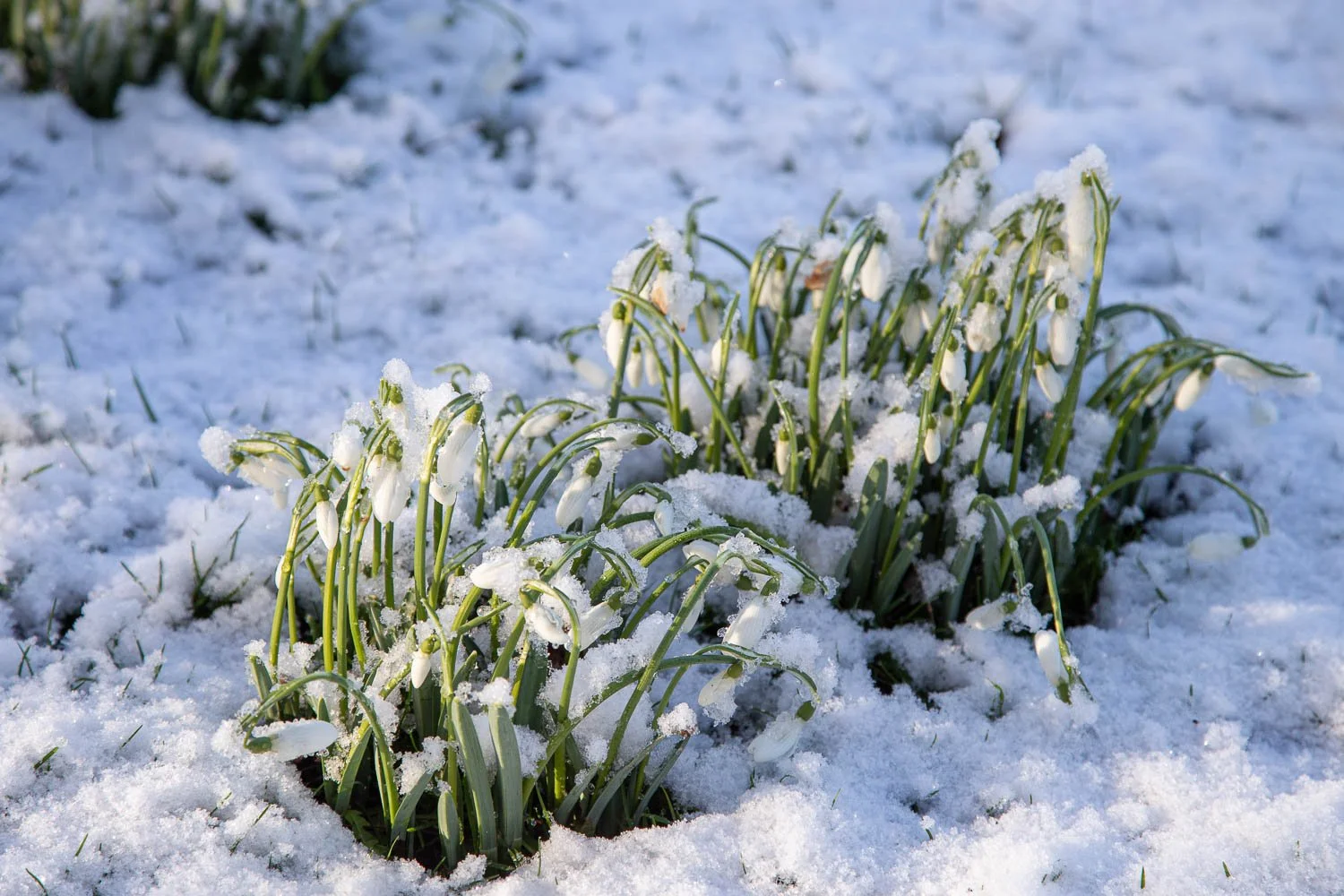
Galanthus S.Arnot
I did a double take when researching online. Why?
“Easily the best performing snowdrop for us is Galanthus S.Arnott which never fails to delight and increase satisfyingly well. We keep gently increasing its spread around the garden....... “ A gardener writing in the Waikato Times.
Why, where’s Waikato? Waikato is in New Zealand (so it must now be World famous! )
So much for the name and the hard-earned reputation of Galanthus Sam Arnott, which was given An Award of Garden Merit by the Royal Horticultural Society, what about my own experience at Bressingham?
I often think what a fortunate gift back in 1972 the clump of Galanthus turned out to be. Jack Matthews who ran a tree Nursery in Suffolk was generous to all his guests and suggested that they all benefit from his gift, perhaps passing on bulbs to others in later years. You will see from the pictures that with more than 6 acres to fill, (Bressingham Gardens and Foggy Bottom) that it might be a long time before bulbs would be available to go elsewhere. Sam Arnott was a vigorous cultivar and once established could be divided to plant elsewhere in the gardens. In the garden, in pots, in the grass. I even planted up a ‘river’ of the Galanthus. It had proved itself as a really good snowdrop and has always been ‘the harbinger of Spring,’ normally flowering from February into March
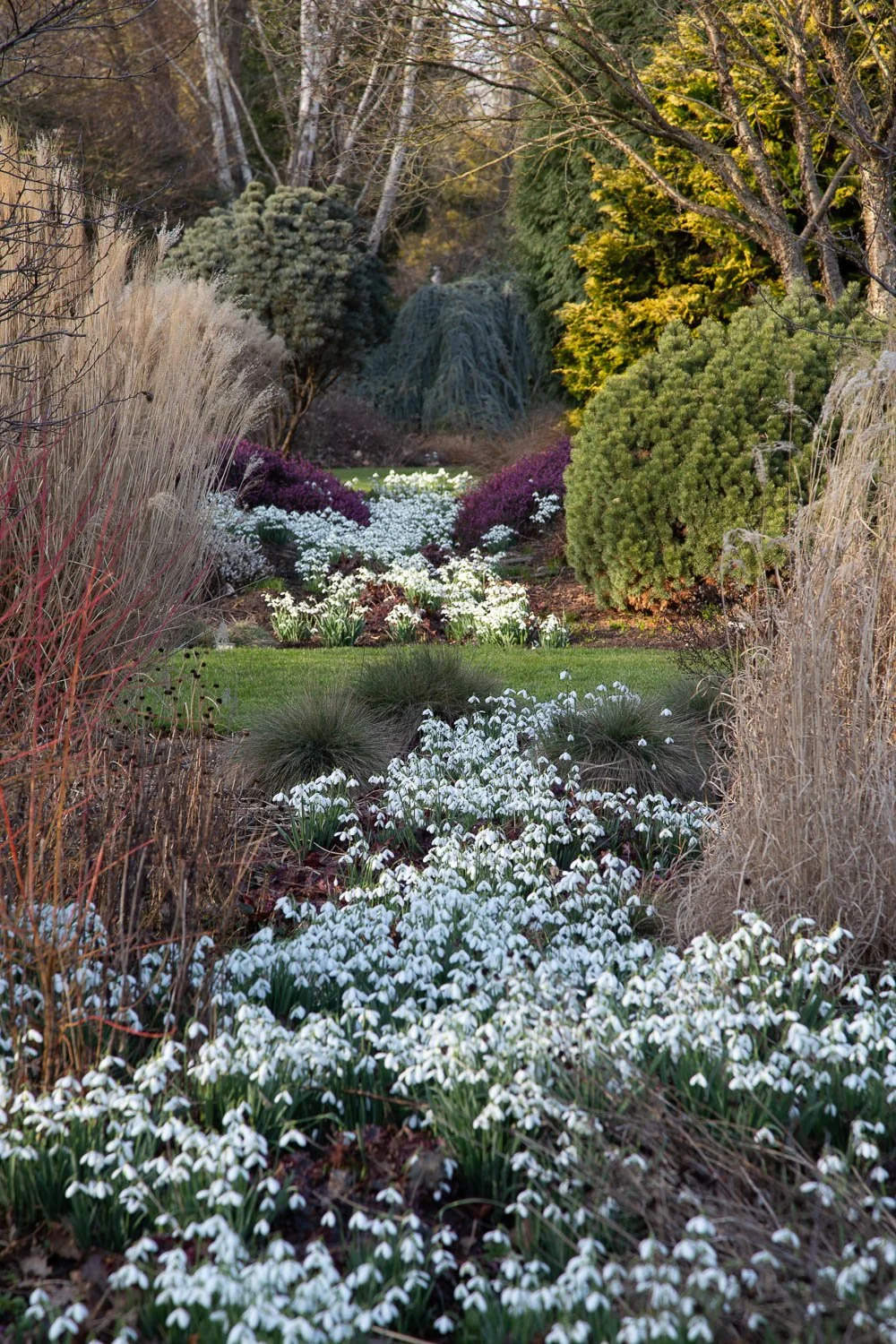
A River of S.Arnott Snowdrops at Foggy Bottom Garden